




B2B buyers like infographics. According to a Demand Gen Report survey, 65% of B2B buyers rate short-form content such as infographics as the most appealing content format. That said, these data visuals are influential and shareable only if they tell a compelling story clearly and concisely, while employing a logical and engaging design. Above all, infographics must be the right medium for the message you want to get across.
Like all assets, infographics take time and resources to create. Before investing in developing one, make sure you are creating it for the right reasons. For example, if you have complex process information you’d like to convey simply, an infographic may be a good choice.
If you decide the juice is worth the squeeze and you’re ready to start conceptualizing your infographic, take note of the following infographic best practices. Consider these tips as starting points, not necessarily recommendations you have to implement in every infographic. We’ve also included two potential pitfalls to watch out for.
Infographic Best Practice #1: Communicate a Single Compelling Idea
Infographics should maximize data density, according to statistician Edward Tufte, a leading expert in information design and data visualization. Data density inspires extended viewing as viewers explore and analyze all the essential information they need to understand the data you’ve shared with them. That is certainly true if you’re depicting complex scientific, political, or social data. But what about B2B marketers whose challenge is engaging viewers who have an average attention span of 47 seconds or less?
The most effective infographics for B2B audiences communicate a single, compelling thought: a clear, tightly focused statement or point of view. Consider the headline “Cloud storage is valuable” versus “Cloud storage makes video production faster and cheaper.” Trying to demonstrate the entire value of cloud storage (which the first headline attempts to do) is too broad—and therefore weak and vague—when you only have a few seconds to connect with users.
Once you have your statement, consider articulating and supporting it with the following elements:
- Comprehensive data sets. Make time for research and make sure the information you’re gathering supports your point—as opposed to a collection of facts related to your point that don’t necessarily add up to a clear and specific conclusion. For each data point, ask yourself, “Is this relevant to my statement?” “Does this advance or reinforce my point of view?”
- Comparisons. A compare-and-contrast infographic—such as a bar chart that displays how competing products measure up against each other—delivers impact because it quickly illustrates similarities and differences. You can highlight a range of data points or variables in this way: before-and-after scenarios, opposing viewpoints, products, services, and customers.
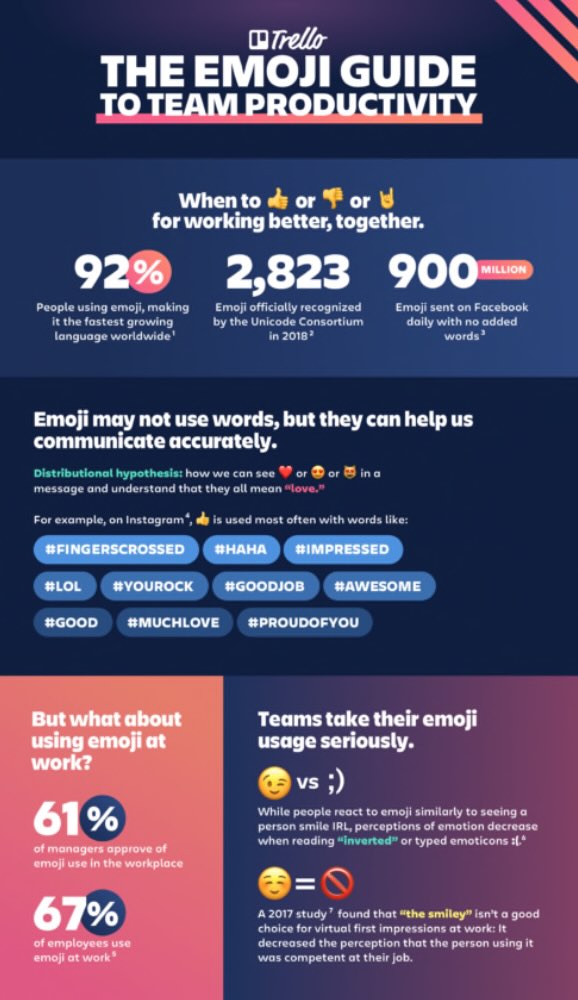
Infographic Best Practice #2: Create a Narrative Infographic
The best narrative infographics employ clear storytelling and visual hierarchy to guide, persuade, and engage viewers. They work well to:
- Trace a journey
- Explain a process
- Demonstrate a transformation
- Track change over time
Begin by stating your key point, then use the bulk of your infographic to guide the viewer to a specific conclusion. Close it with a summary, restating your main message. Including a final call to action—for example, encourage viewers to view a key asset, check out a solution page, or talk to an expert.
Infographic Best Practice #3: Show Relationships in Your Infographic
Visually juxtaposing data points or concepts in an infographic can work well to quickly communicate relationships. For example, you might create an infographic that:
- Displays types of security breaches on a scale of how serious they are and to whom
- Clearly shows which solutions or technologies apply to specific customer problems
- Maps mobile devices to individual carriers to quickly show which carriers support the most devices and where they overlap
Infographics that help viewers connect the dots serve as powerful communication tools. They help you stand out in a digital world where B2B buyers are getting constantly bombarded with unending amounts of data.
That said, not all infographics hitting B2B customers’ inboxes or circulating on social media are effective. Some fail to adhere to the infographic best practices above and others run into common pitfalls.
Infographic Best Practice #3: Show Relationships in Your Infographic
Mapping out a product family might work well as an internal document, but infographics typically address the awareness stage of the buyer’s journey. Customers in this stage don’t yet care about your products and services. Instead, identify the benefits of your products or the outcomes people will experience because of them, and fit those into one of the frameworks above.
Pitfall #1: Explaining Products or Services in Your Infographic
Mapping out a product family might work well as an internal document, but infographics typically address the awareness stage of the buyer’s journey. Customers in this early stage aren’t yet interested in your products and services. A better approach: Identify your products’ benefits or the outcomes people will experience when using them, and fit those into one of the infographic best practice frameworks above.
Pitfall #2: Turning a Message Map into an Infographic
Message maps are useful, but they’re not customer-facing. Corporate messaging isn’t an appropriate infographic topic. What matters are the narratives behind the messaging. For example, what broader market trends are influencing your messaging? Do you have a new product, solution, or service that’s opening up new markets or revenue streams? If so, why? The answers to these questions will likely reveal something more suitable for an infographic.
Follow these guidelines to ensure that your infographic becomes highly influential—distinguished from all the click-and-forget-about-it ones. Remember that when it comes to attracting and engaging customers, infographics can help you move the needle. But only if they are appropriate for the story you’re telling.
Need Help Producing Infographics That Resonate?
Look to Tendo for robust content creation services. We excel at developing visually captivating infographics along with a medley of other content assets. Our seasoned content and design team has helped top B2B brands tell their stories, convey compelling messages, and connect deeply with customers. Let us know what your needs and goals are. Contact us today.
First published August 31, 2015